Ketamine for Social Anxiety: When SSRIs and Therapy Plateau
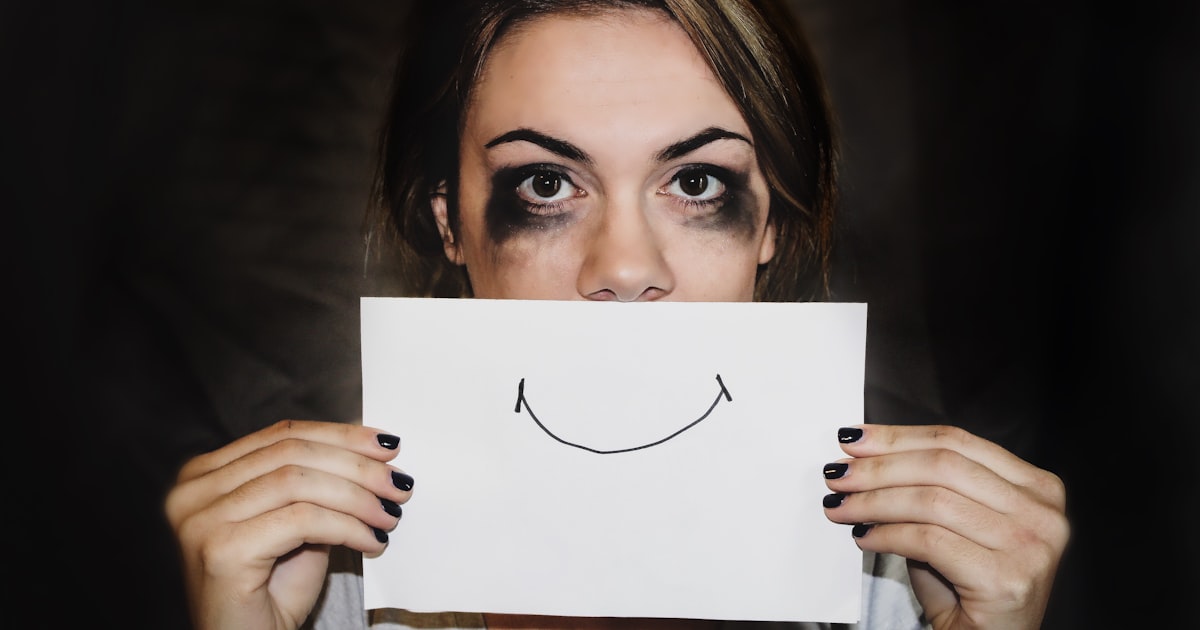
Social anxiety disorder is one of the most misunderstood mental health conditions. People who haven't experienced it tend to minimize it; advice like "just put yourself out there" or "everyone gets nervous" fundamentally misses what's happening. True social anxiety isn't nervousness. It's a consuming fear that hijacks your body and mind, making routine interactions feel genuinely threatening. For too many patients, standard treatments haven't been enough.
Social anxiety isn't generalized anxiety
Before discussing treatment, it's worth distinguishing social anxiety disorder (SAD) from generalized anxiety disorder (GAD). They share the "anxiety" label but they're different conditions with different brain signatures.
GAD produces a diffuse, free-floating worry that attaches itself to various concerns: health, finances, relationships, work. It's a general overactivation of the threat-detection system.
Social anxiety is more targeted but no less severe. It centers specifically on social evaluation: fear of being judged, embarrassed, or humiliated in front of others. The brain's fear circuitry becomes hyper-reactive specifically in social contexts, producing the cascade you probably recognize: racing heart, sweating, trembling, nausea, and the overwhelming urge to escape.
What makes social anxiety particularly cruel is how it creates its own isolation. The thing that would help (social connection) is the thing the disorder makes terrifying. Avoidance becomes entrenched. Career opportunities declined. Relationships never formed. Life contracting into an increasingly small space.
Why SSRIs often underperform for social anxiety
SSRIs like sertraline and paroxetine are standard first-line treatment for social anxiety disorder. They help some patients meaningfully, and I don't discourage trying them. But the response rates are lower than many patients expect.
Published data: roughly 50-60% of patients with social anxiety achieve meaningful improvement on SSRIs. Only about 20-30% reach full remission. That means a substantial portion of patients are left with persistent, life-limiting symptoms despite compliant treatment.
There are several reasons SSRIs underperform in this specific condition:
Serotonin is only part of the picture. Social anxiety involves complex circuitry (amygdala, prefrontal cortex, anterior cingulate) where glutamate signaling plays a critical role that serotonin-focused medications don't directly address.
Deeply ingrained avoidance patterns require neural rewiring, not just neurochemical adjustment. SSRIs can reduce the emotional intensity of anxiety, but they don't help the brain unlearn deeply conditioned avoidance responses.
Onset delay. Four to eight weeks of waiting through ongoing symptoms plus medication side effects for uncertain benefit is hard to sustain, and dropout during this window is common.
Emotional blunting is a common SSRI side effect that can reduce anxiety but also reduce the positive emotions that make social connection rewarding. Some patients find themselves less anxious but less able to enjoy the social contact they were trying to get back to.
How ketamine addresses social anxiety differently
Ketamine works through a fundamentally different mechanism than SSRIs. Rather than modulating serotonin, it acts on the glutamate system: the brain's most abundant excitatory neurotransmitter, and a critical mediator of learning, memory, and neural plasticity. That last piece matters most for social anxiety specifically.
Rapid synaptic growth in the prefrontal cortex. Ketamine triggers a cascade that increases BDNF and promotes new synaptic connections, particularly in the prefrontal cortex. That region is responsible for regulating the amygdala's fear response. Stronger prefrontal connections mean better top-down control over the anxiety that social situations trigger.
Breaking conditioned fear responses. Social anxiety becomes self-reinforcing because each avoided situation strengthens the brain's association between social interaction and danger. Ketamine's neuroplasticity effects create a window during which those deeply grooved neural pathways become malleable again. During that window, new learning (through therapy, graduated exposure, or simply positive social experiences) can rewire the fear circuitry more effectively than without the plasticity boost.
Quieting the default mode network. Research suggests people with social anxiety have an overactive default mode network, the brain system tied to self-referential thinking and rumination. An overactive DMN drives the constant self-monitoring and negative self-evaluation that characterizes social anxiety. Ketamine disrupts rigid DMN patterns, offering a break from the exhausting cycle of self-consciousness.
Rapid onset. For patients who've waited months for SSRIs to work (or not work), ketamine's ability to produce effects within hours to days is a meaningful advantage. The rapid timeline also lets patients begin benefiting from therapy and exposure exercises sooner, while their motivation to engage is still intact.
What the evidence actually supports
Research specifically examining ketamine for social anxiety disorder is still emerging. Existing evidence is promising but less mature than the depression data:
Ketamine has demonstrated anxiolytic effects across multiple anxiety presentations in controlled trials. The neurobiological mechanisms are well-aligned with what we understand about social anxiety's neural basis.
A growing body of case reports and small studies has shown meaningful reduction in social anxiety symptoms following ketamine treatment, particularly in patients who hadn't responded adequately to SSRIs.
Larger controlled trials are underway and expected to produce more definitive data in the next few years. What we can say with confidence now: ketamine's effects on glutamate, BDNF, and synaptic plasticity address core neurobiological features of social anxiety that serotonergic medications leave untouched.
What we can't say with full confidence: exactly what response rates to expect in social anxiety specifically, independent of depression. Patients who have both (common) tend to benefit from ketamine's effects on both. Pure social anxiety without comorbid depression has less research to draw on.
The integration work matters more for this than for depression
For depression, patients who passively take ketamine and keep their lives the same often still improve; the mechanism does substantial work on its own. For social anxiety, this is less true. The neuroplasticity window ketamine opens is the ideal time to actively rewire conditioned avoidance. Without that active engagement, ketamine alone rarely produces durable change in social anxiety.
What "active engagement" means in practice:
Cognitive behavioral therapy, particularly exposure-based CBT, is substantially enhanced by the plasticity ketamine creates. If you're not already working with a therapist, starting one in parallel with ketamine treatment is the setup most likely to produce lasting change.
Graduated social exposure during the treatment weeks. Low-stakes interactions first, progressively more challenging. The brain does the rewiring when presented with new evidence.
Mindfulness practices that help you observe anxious thoughts without automatically reacting to them. This is a different muscle than the one SSRIs build.
Physical exercise. Independently supports BDNF production and anxiety reduction, and the effect compounds with ketamine's.
Sleep regularization. Poor sleep amplifies social anxiety symptoms and blunts the plasticity ketamine creates.
The key insight: ketamine creates a neurobiological window of opportunity. What you do during that window determines how lasting the benefits are. This is true across conditions but especially true for social anxiety.
What treatment looks like
At-home ketamine for social anxiety follows the same structure as for depression. Initial evaluation covers symptoms, treatment history, current medications, and medical background. Initial treatment series is typically 10 or more sessions over 4-8 weeks. A maintenance phase follows at reduced frequency.
For social anxiety specifically, I strongly encourage pairing ketamine with active therapy work. I'm happy to coordinate with your therapist directly if you're already working with one; if you aren't, I can help you think about what kind of therapist to look for (exposure-based CBT is what most of the evidence supports for social anxiety).
Ready to step into something hard with the right support?
Social anxiety doesn't have to define the boundaries of your life. If you're willing to use the neuroplasticity window to actively rewire avoidance patterns, the tool is substantially more powerful than SSRIs alone.
- Eligibility check: tovanihealth.com/eligibility (5 minutes, FL, NJ, and CA residents)
- Phone: 561-468-6981
- What you get back: an honest answer about whether ketamine + integration work fits your situation, and how to set it up for the best chance of lasting change.
Benjamin Soffer, DO, Tovani Health
Related reading: after failed antidepressants, ketamine vs. Zoloft, ketamine while on Lexapro, what to expect in a consultation.
Frequently Asked Questions
Is social anxiety different from generalized anxiety, and does ketamine treat it differently?
Yes, they're distinct conditions with different brain signatures. Generalized anxiety disorder (GAD) involves chronic, diffuse worry across many domains. Social anxiety disorder (SAD) involves specific fear of being judged, scrutinized, or rejected in social situations, driven by hyperactivity in self-monitoring circuits and threat-detection areas like the amygdala. Both can respond to ketamine, but the mechanism of benefit differs. For SAD, ketamine appears to soften the threat-detection response and reduce post-event self-criticism, opening a window for behavioral exposure work to actually stick.
How effective is ketamine for social anxiety specifically?
The evidence base for ketamine + SAD is smaller than for ketamine + depression, but emerging studies and clinical experience suggest meaningful benefit, particularly for patients who haven't fully responded to SSRIs and CBT alone. Most patients see reduced anticipatory anxiety, less post-event rumination, and gradually expanding willingness to engage in feared situations during the loading phase. Response rates are difficult to quote precisely but appear comparable to ketamine's anxiety-spectrum response generally (~60-70% partial response, with stronger responses in patients who actively pair ketamine with exposure work).
Do I need to do exposure therapy alongside ketamine for social anxiety?
Strongly recommended. Ketamine alone may reduce the intensity of anxiety, but the durable change in SAD requires behavioral practice: gradually entering feared situations during the neuroplasticity window when the threat-response is softened. Patients who use the loading phase to deliberately attempt social situations they've been avoiding consistently get better outcomes than patients who do ketamine in isolation. A therapist trained in CBT or ACT for social anxiety paired with ketamine produces the strongest combination.
How long does it take to feel social anxiety relief from ketamine?
Most patients notice some softening of anticipatory anxiety within the first 1-2 sessions, particularly the racing physical symptoms (heart rate spike, sweating, blanking out) before social events. The deeper change in avoidance behavior typically builds across the loading phase (10+ sessions over 4-8 weeks), requiring active practice in feared situations during the windows between sessions. Patients often describe it as: "the situation still feels uncomfortable, but it doesn't feel dangerous anymore. I can stay in it." That shift is the foundation for sustained improvement.
About the Author
Dr. Ben Soffer is a board-certified physician specializing in ketamine therapy for treatment-resistant depression and anxiety disorders. Based in Florida, New Jersey, and California, Dr. Soffer provides evidence-based, physician-led ketamine treatment through Tovani Health.