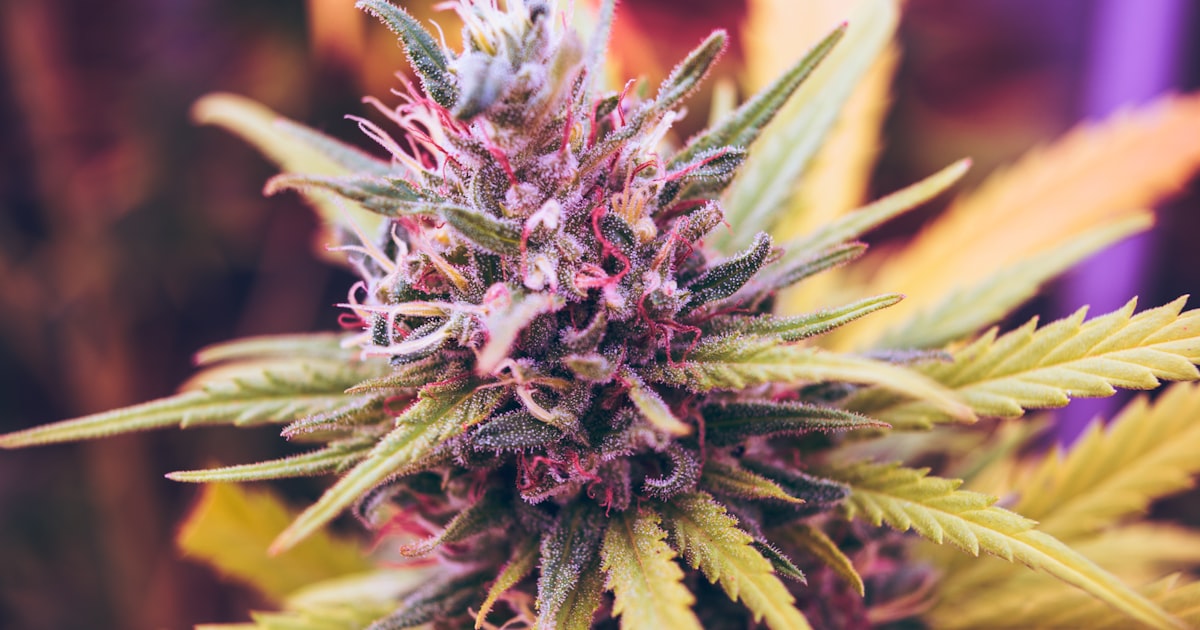
Cannabis and Ketamine Therapy: An Honest, Non-Judgmental Take
Cannabis use is common among patients seeking ketamine therapy, and this topic deserves a frank, non-judgmental conversation. Whether you use cannabis medicinally for pain, anxiety, or sleep, or recreationally, how it interacts with ketamine therapy matters for both safety and treatment outcomes. Let me share what we know, what we don't, and my actual clinical position.
What the evidence does and doesn't support
I want to be upfront about what we have and don't have. There are no large, rigorous clinical trials specifically studying cannabis-ketamine interactions in depression treatment. The existing evidence is preclinical studies, case reports, and mechanistic reasoning from what we understand about how each substance affects the brain.
That's not nothing. But it means my recommendations come from a mix of pharmacological reasoning, clinical experience, and the precautionary principle, not from definitive studies. I'll flag where I'm extrapolating rather than citing hard evidence.
How the two interact in the brain
Cannabis and ketamine work through different primary systems that aren't fully independent.
Cannabis acts through the endocannabinoid system, binding CB1 and CB2 receptors throughout the brain and body. THC is the psychoactive component; CBD has more subtle, non-psychoactive effects.
Ketamine blocks NMDA receptors in the glutamate system, triggering the neuroplasticity cascade that drives its antidepressant effect.
The endocannabinoid and glutamate systems interact at multiple points: cannabinoid receptors sit on glutamatergic neurons, and endocannabinoid signaling can modulate glutamate release. This is why cannabis use has the potential to influence the very neurochemistry that makes ketamine work. The interaction isn't as direct as benzodiazepines' GABA suppression of the ketamine signal, but it's real.
Specific concerns with THC
Cardiovascular effects. Both THC and ketamine can raise heart rate. THC also affects blood pressure in dose-dependent ways (initial elevation sometimes followed by drop). Combining them with ketamine's transient blood pressure elevation makes the cardiovascular profile less predictable. For patients with any cardiovascular risk factors, that unpredictability matters.
Amplified dissociation and unpredictable experiences. THC can intensify dissociative experiences and alter the quality of a ketamine session in ways that aren't always therapeutically productive. Some patients report increased anxiety or paranoia when combining cannabis with dissociative states. Others report confusion about what is a ketamine effect versus a cannabis effect, which makes it harder to calibrate treatment.
Potential impact on neuroplasticity. This is where my concern is greatest even though the evidence is preliminary. Some research suggests chronic THC use may impair aspects of neuroplasticity, the exact mechanism ketamine relies on. If cannabis is dampening your brain's ability to form new synaptic connections, it could undermine the therapeutic benefit you're paying for.
Sleep architecture. Many patients use cannabis to fall asleep, but THC suppresses REM sleep, disrupting sleep architecture even when you sleep more. Quality sleep matters for consolidating the neural changes ketamine promotes between sessions.
Motivational and cognitive effects. Regular THC use can affect motivation, executive function, and emotional processing in ways that interfere with the active engagement ketamine treatment benefits from. The integration work between sessions (therapy, journaling, lifestyle changes) goes better with cognitive clarity.
CBD is a different conversation
CBD deserves separate treatment because its pharmacological profile differs meaningfully from THC.
CBD doesn't produce psychoactive effects, doesn't significantly impair cognition, and has a generally favorable safety profile. Some research suggests anti-inflammatory and neuroprotective properties that could theoretically complement ketamine rather than interfere with it.
The one practical caveat: CBD interacts with liver enzymes (CYP3A4 and CYP2D6) involved in metabolizing ketamine. High-dose CBD could alter ketamine's metabolism, affecting blood levels and duration. The clinical significance at typical CBD doses is likely modest, but worth flagging.
My position on CBD is more measured than on THC. Low-dose CBD is probably low-risk. I still recommend discussing it with your prescribing clinician and ideally pausing during the initial treatment window when we're establishing your response.
My clinical recommendation: pause during the initial course
The recommendation I give most patients: pause all cannabis use during your initial ketamine treatment series, typically 10 or more sessions over four to eight weeks.
I frame this as a pause rather than a permanent change because I respect patient autonomy and recognize cannabis serves real purposes for many patients. During the critical initial treatment window, though, I want to give ketamine the clearest possible path to do its work.
The reasoning:
If you're using cannabis and ketamine simultaneously and your depression improves (or doesn't), we can't tell what ketamine actually did. Pausing gives us a clean read on how ketamine works for you specifically.
The initial course is when the most intensive neural rewiring happens. Removing anything that might interfere with that process, even theoretically, maximizes your odds of a strong response.
Many patients who use cannabis regularly haven't experienced their brain without it in a long time. Pausing lets you see what your symptoms look like without cannabis modulation, which is useful clinical information regardless of what we learn.
If you experience nausea, cardiovascular changes, or psychological distress during a session, knowing cannabis wasn't a contributor simplifies what we do next.
If cannabis is treating a real condition
If cannabis was prescribed or recommended by a physician for a specific condition (chronic pain, seizure disorder, spasticity), this needs an individualized conversation, not a blanket rule. Abruptly stopping a medication that's managing a real condition has its own risks and consequences.
In those cases, I work with the patient and their prescribing physician to develop a plan that balances the needs of the underlying condition with ketamine treatment optimization. That might mean a temporary dose reduction, switching to CBD-only products, or adjusting timing to minimize overlap with sessions.
I'll never insist a patient suffer an untreated condition in the name of theoretical treatment optimization. Real clinical medicine is balancing tradeoffs, not applying rigid rules.
Transparency with your clinician matters
The most important thing in this whole article: be completely honest with your prescribing clinician about your cannabis use. Frequency, form (smoking, vaping, edibles, tinctures), THC content, CBD content, reasons for use: all clinically relevant.
No one at Tovani Health will judge you for using cannabis. We're not going to refuse treatment or lecture you. But we need accurate information to make good clinical decisions. If your clinician doesn't know you're using cannabis, they can't account for it in your treatment plan, and your results may disappoint for reasons we could have anticipated.
After the initial course
Once you've completed the initial course (10+ sessions over 4-8 weeks) and we have a clear picture of how you respond to ketamine, the cannabis conversation gets more flexible. If you had a good response during the cannabis-free period, reintroducing it and watching for any change in your symptoms provides useful information about its effect on your specific depression.
Some patients find that as their depression lifts through ketamine therapy, their pull toward cannabis naturally decreases; the coping function becomes less necessary. Others choose to reintroduce it for specific purposes. Both paths are reasonable, and ongoing monitoring supports whichever fits your life.
Ready to have an honest conversation about your treatment?
Cannabis use is one of many lifestyle factors we'd rather know about up front than discover after a treatment doesn't work as expected. Bring your questions, bring your honesty, and we'll figure out the right path forward.
- Eligibility check: tovanihealth.com/eligibility (5 minutes, FL, NJ, and CA residents)
- Phone: 561-468-6981
- What you get back: an honest answer, including how cannabis use fits into your specific treatment plan.
Benjamin Soffer, DO, Tovani Health
Related reading: ketamine and alcohol, ketamine with benzodiazepines, ketamine while on Lexapro, safety protocols, the cannabis interaction verdict.
Frequently Asked Questions
Do I have to stop cannabis to start ketamine therapy?
Not necessarily, but reducing or pausing during the initial treatment course (10+ sessions over 4-8 weeks) usually produces better response. Daily THC use appears to blunt ketamine's antidepressant effect, most likely by interfering with the synaptic plasticity window (BDNF release, dendritic spine growth) that ketamine opens. Occasional weekend use between sessions is less clearly problematic. The conversation worth having with your physician is honest disclosure of frequency and intent of use, not abstinence-as-precondition.
Is the safety risk of mixing cannabis and ketamine the same as alcohol?
No. Cannabis and ketamine interact more subtly than alcohol and ketamine. Alcohol is a clear CNS depressant whose sedative effects multiply with ketamine's, producing a real over-sedation risk. Cannabis (THC) acts on a different system (cannabinoid receptors) and the safety risk of combining is more modest. The bigger issue with cannabis isn't acute safety, it's reduced therapeutic response from chronic THC use during the neuroplasticity window.
Does CBD interact with ketamine the same way as THC?
Likely not. The mechanistic concerns center on THC and the cannabinoid receptor effects that may interfere with ketamine's downstream signaling. CBD is non-psychoactive, has different receptor activity, and there's no published evidence it blunts ketamine response. CBD is also commonly used for anxiety and sleep with no documented ketamine interaction. If you use CBD-only products, continuing them during ketamine therapy is generally fine.
I have a medical cannabis prescription for pain or PTSD. Should I stop?
That's a more nuanced conversation and worth having directly with your physician. If your medical cannabis is genuinely controlling a condition (chronic pain, PTSD-related insomnia) that you'd otherwise be untreated for, the cost-benefit calculus differs from recreational use. Options include: continuing at lower dose during the initial course, switching to CBD-dominant formulations during the ketamine course, or maintaining current use and accepting that ketamine response may be modestly reduced. The choice depends on what each treatment is doing for you.
About the Author
Dr. Ben Soffer is a board-certified physician specializing in ketamine therapy for treatment-resistant depression and anxiety disorders. Based in Florida, New Jersey, and California, Dr. Soffer provides evidence-based, physician-led ketamine treatment through Tovani Health.